Tiki Hut Guides and Advice

Home / Blogs

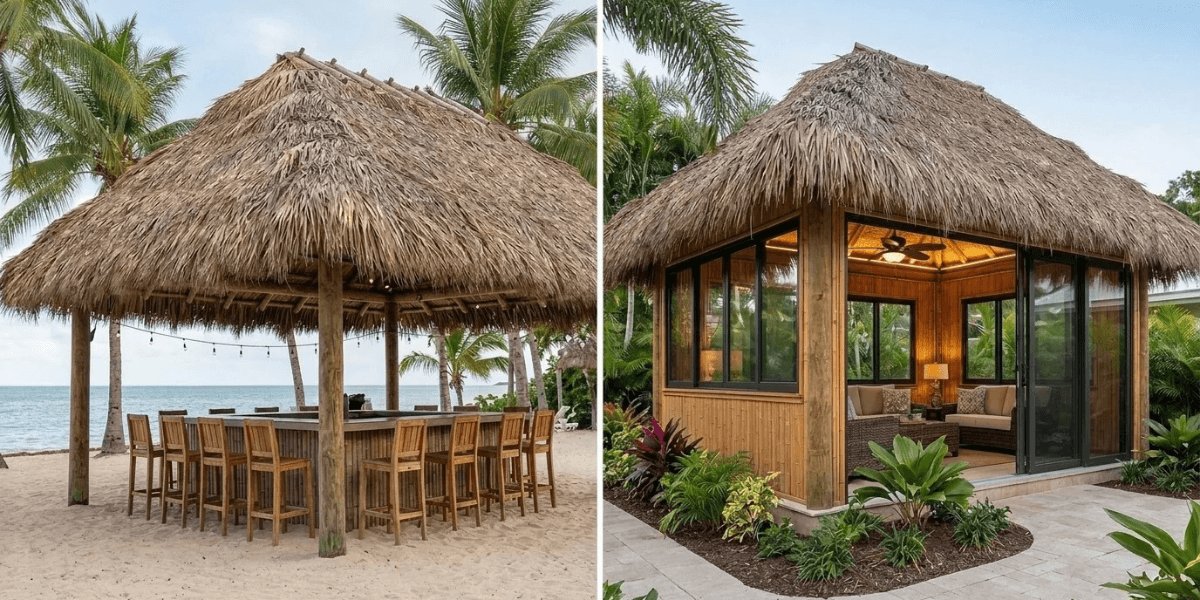
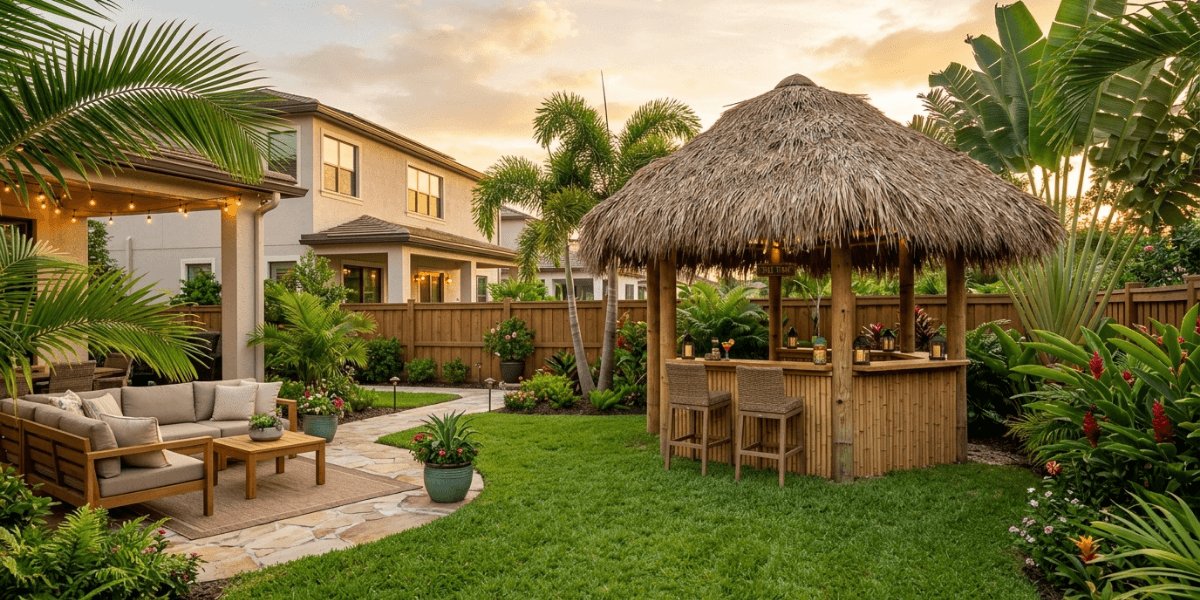
Thatched beach hut with a palm-leaf roof, pictured from two angles.

Open-Air vs Enclosed Tiki Huts: Pros and Cons

Open-air tiki huts offer natural airflow, unobstructed views, and a classic tropical look, while enclosed designs provide more protection from insects, rain, and everyday weather. Open-air structures suit relaxed outdoor gatherings, while enclosed huts offer more shelter and flexibility. Before construction, check local permit requirements because adding walls may change how building officials classify the structure.
Read More »
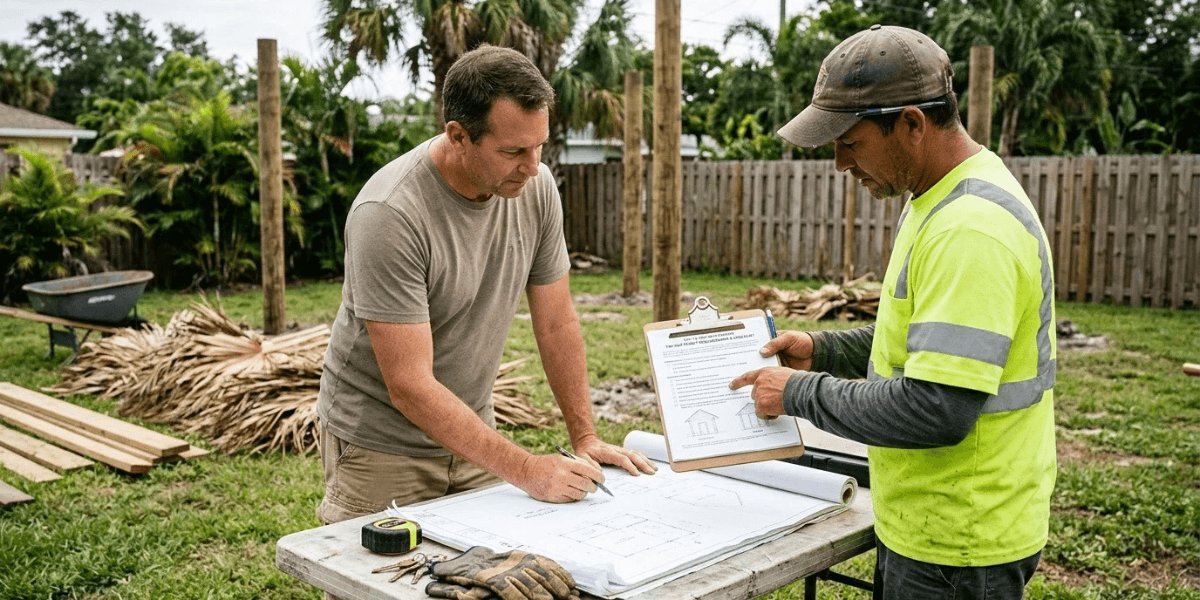
Two workers in yellow shirts work together on a project.

How to Check Tiki Hut Permit Requirements Before Construction

Start by confirming if your address falls under a city building department or unincorporated Miami-Dade County. Then contact that office, review its exemption list, and check your zoning district and flood zone. The chickee exemption applies only to qualifying chickees constructed by eligible tribal members, so treat other tiki huts as permit projects until officials say otherwise. Get written confirmation before building.

Read More »
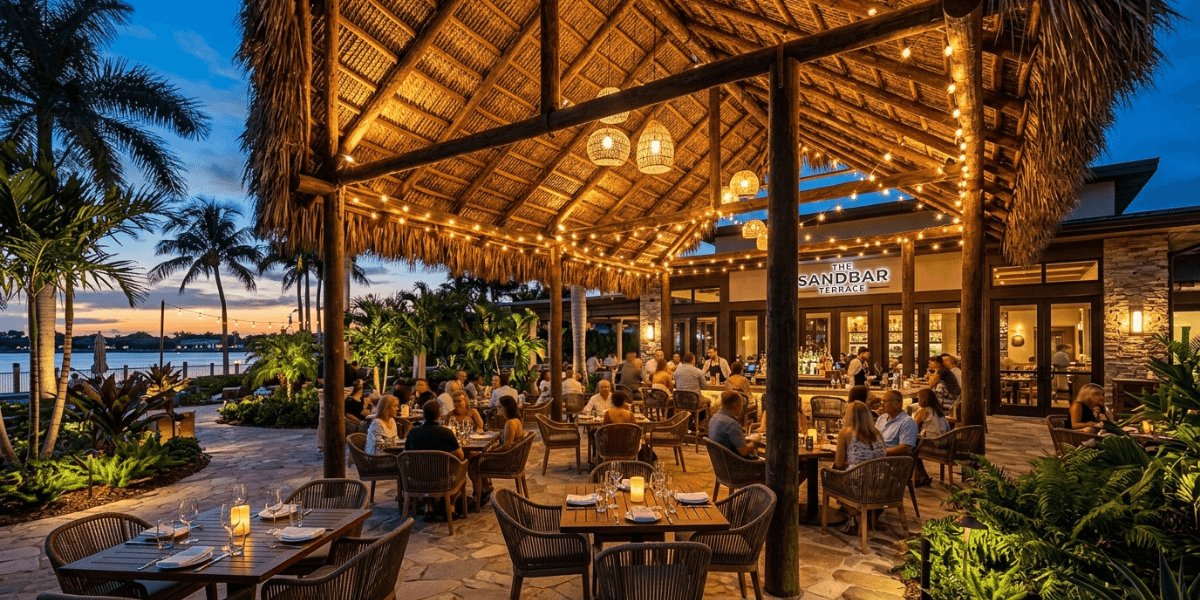
A beachside restaurant at sunset, with vibrant orange and pink skies reflecting on the calm ocean waters.

Tiki Huts For Restaurants And Commercial Outdoor Spaces

Commercial tiki huts offer restaurants and businesses a practical way to create comfortable, shaded outdoor spaces that enhance customer experiences while making better use of available property. Careful planning, durable construction, and thoughtful design help these structures support daily operations, strengthen a property’s visual appeal, and provide long-term value for commercial outdoor environments.

Read More »
Scroll to Top