
Executive Summary
Commercial tiki huts offer restaurants and businesses a practical way to create comfortable, shaded outdoor spaces that enhance customer experiences while making better use of available property. Careful planning, durable construction, and thoughtful design help these structures support daily operations, strengthen a property’s visual appeal, and provide long-term value for commercial outdoor environments.
Outdoor dining has become an important part of the hospitality experience. Guests increasingly appreciate spaces that let them enjoy fresh air, comfortable seating, attractive surroundings, and a memorable atmosphere. For restaurants and other commercial properties, a well-planned outdoor structure can turn an underused patio, poolside area, courtyard, or waterfront section into a destination that customers actually want to use.
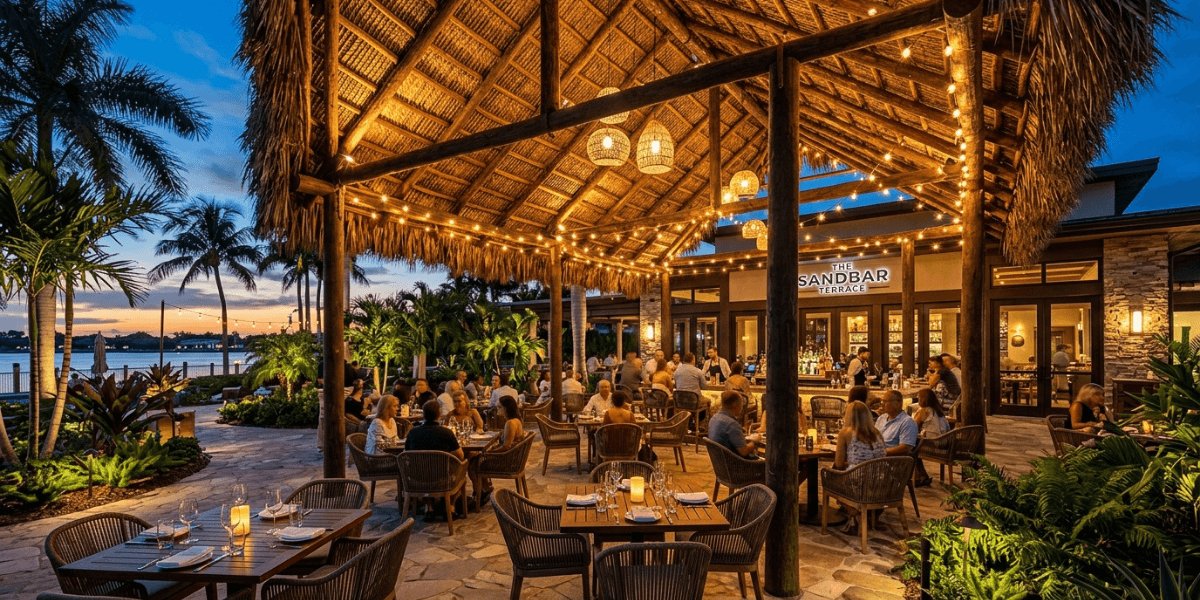
Tiki huts bring a distinctive tropical character to these spaces while providing practical shade and shelter. Their open-air design can support dining, socializing, waiting areas, private events, and other customer-focused activities. For businesses in warm climates, especially South Florida, the combination of visual appeal and outdoor comfort makes tiki huts a valuable consideration for commercial properties.
Why Tiki Huts Work So Well In Commercial Settings
A commercial outdoor space needs to serve a purpose beyond looking attractive. It should be comfortable, functional, durable, and easy to incorporate into daily operations. Tiki huts can address several of these needs within one recognizable structure.
The thatched roof creates shade from direct sunlight while the open sides allow natural airflow. This combination can make outdoor seating more inviting during warm weather. A tiki hut can also define the boundaries of a dining or gathering area without creating the enclosed feeling of a conventional room.
Customer interest in outdoor dining continues to remain strong. According to a National Restaurant Association survey, 69% of adults said they appreciate having the option to dine outside on a patio, deck, or sidewalk, making comfortable outdoor spaces an attractive feature for restaurants and commercial properties.
The visual identity matters, too. Tropical architecture immediately creates a relaxed setting that can complement waterfront restaurants, resorts, hotels, beachside businesses, entertainment venues, and destination dining locations.
Key Benefits For Restaurants And Businesses
· More Comfortable Outdoor Seating
Direct sunlight can make an otherwise attractive patio uncomfortable during warmer parts of the day. A properly positioned tiki hut provides overhead shade, giving customers a more pleasant place to sit, dine, and socialize.
Comfort can also encourage guests to spend more time in an outdoor area. For restaurants, that creates an opportunity to make greater use of existing exterior space instead of allowing valuable patio areas to sit empty during peak heat.
· A Distinctive Customer Experience
A restaurant can have excellent food and service, yet the surroundings still influence how customers remember the visit. A tiki hut creates an immediate visual theme that can make an outdoor dining area feel different from an ordinary patio.
The tropical appearance can work particularly well for seafood restaurants, coastal concepts, poolside venues, resorts, casual dining establishments, and entertainment properties. Lighting, seating, landscaping, fans, and decorative elements can further establish a cohesive atmosphere.
· Additional Usable Space
Outdoor structures can help businesses make better use of property that might otherwise have limited functionality. A covered area can accommodate tables, lounge seating, private gatherings, waiting areas, or customer events.
Research from the National Restaurant Association has also shown that outdoor dining can represent a substantial portion of sales for restaurants that offer it. In a 2021 survey, 35% of operators with outdoor seating reported that it represented more than 40% of average daily sales.
· Stronger Visual Branding
A memorable outdoor structure can become part of a business’s visual identity. The shape, roof design, lighting, furniture, signage, and surrounding landscaping can all contribute to a recognizable environment.
For restaurants located in competitive commercial areas, creating a distinctive setting can give customers another reason to remember the property and recommend it to others.
Choosing The Right Tiki Hut For A Commercial Property
Not every commercial property has the same space, customer flow, or operational needs. The structure should support the intended use while fitting naturally into the existing property.
| Commercial Use | Tiki Hut Application | Main Consideration |
| Restaurants | Covered outdoor dining | Table capacity and guest comfort |
| Resorts | Poolside or lounge areas | Shade, airflow, and appearance |
| Hotels | Guest gathering spaces | Seating flexibility and ambiance |
| Event Venues | Private outdoor functions | Layout and accessibility |
| Waterfront Businesses | Dining or relaxation areas | Wind exposure and durability |
Design Features That Make A Difference
· Roof Size And Shape
The roof determines shade coverage, airflow, and the overall appearance of a commercial tiki hut. Proper height and size create a comfortable environment while ensuring the structure complements the available outdoor space.
· Structural Materials
Commercial tiki huts require durable materials that can withstand daily use and local weather conditions. Strong framing, quality roofing, and proper construction help provide long-lasting performance in demanding commercial environments.
· Lighting And Electrical Planning
Thoughtfully planned lighting extends the usability of outdoor spaces after sunset while improving visibility and ambiance. Electrical features should be incorporated during planning to meet operational and applicable safety requirements.
Planning Restaurant Tiki Huts Around Daily Operations
The best restaurant tiki huts are planned around how the business actually functions. Customer entrances, service routes, kitchen access, restrooms, emergency pathways, seating arrangements, and employee movement should all be considered before construction begins.
A hut positioned too close to a busy service entrance could create congestion. A structure that blocks an important sightline could interfere with staff supervision. Poor table placement could reduce the usable seating capacity instead of increasing it.
For this reason, commercial planning should consider the complete customer journey. Guests should be able to reach the outdoor area easily, find comfortable seating, receive service efficiently, and leave without crossing unnecessarily busy work zones.
Why Professional Construction Matters
A commercial tiki hut is more than a decorative roof supported by posts. It is a permanent or semi-permanent structure that needs to be planned around applicable building requirements, site conditions, materials, and intended occupancy.
Experienced commercial tiki hut builders can assess the property and determine how the structure should be positioned, supported, and integrated into the surrounding environment. Professional planning is especially important in South Florida, where weather conditions and local regulations can influence construction requirements.
Miami-Dade County states that new structures generally require permits, and permit applications may be reviewed for structural, life safety, electrical, mechanical, plumbing, zoning, flood, and other applicable requirements.
Ready to create a commercial tiki space designed for your property? Choose Miami Tiki Huts for professional tiki hut installation in Miami and get started with a carefully planned outdoor structure built around your business needs.
Making Tiki Huts Work For Different Businesses
· Restaurants And Cafes
For restaurants, the hut can provide additional dining tables while creating a visually distinctive section of the property. It can serve casual lunch guests during the day and become an atmospheric dining area in the evening.
· Hotels And Resorts
Hotels can use tiki huts around pools, gardens, waterfront areas, or guest lounges. The structure can provide a dedicated place for relaxation without requiring a fully enclosed addition.
· Event And Entertainment Venues
Event businesses can use covered outdoor structures for receptions, private parties, corporate gatherings, and casual social events. Flexible furniture arrangements can allow the same area to support different occasions.
· Waterfront And Recreational Businesses
Waterfront properties can benefit from a structure that reinforces a coastal atmosphere while providing shade. Restaurants, marinas, resorts, and recreational facilities can use tiki huts to create dedicated customer areas that feel connected to the surrounding environment.
Maintenance And Long-Term Value
Regular maintenance helps preserve the appearance and function of a commercial tiki hut. Owners should monitor the thatched roof, structural connections, support posts, drainage, lighting, fans, and other installed features. For outdoor restaurant tiki huts, routine upkeep is particularly important because frequent customer use can place greater demands on the structure.
Inspections can help identify minor issues before they develop into larger repair concerns. Roof materials may eventually require maintenance or replacement depending on their construction, exposure, and expected service life.
Keeping surrounding vegetation trimmed can also support airflow and help prevent branches or debris from contacting the roof. Furniture and lighting should be selected for outdoor conditions and regular commercial use. A maintenance plan should be considered from the beginning to help preserve the structure’s appearance, functionality, and overall condition over time.
A Smart Addition To Outdoor Commercial Spaces
A well-designed tiki hut can give a commercial property more than a tropical appearance. It can provide shade, define seating areas, support outdoor dining, improve guest comfort, and make better use of available exterior space.
For anyone considering tiki huts for businesses, thoughtful design, durable materials, careful planning, and professional craftsmanship can create a structure that complements the property while supporting everyday operations.
Frequently Asked Questions
Where Can I Buy A Commercial Tiki Hut?
Commercial tiki huts can be purchased from experienced specialty builders who design, construct, and install structures suited for restaurants, hotels, and businesses.
How Much Does A Commercial Tiki Hut Cost?
Commercial tiki hut costs vary based on size, materials, design complexity, location, and project requirements. A customized estimate provides the most accurate pricing.
How To Choose A Tiki Hut Builder For A Business?
Choose a builder with commercial experience, proper licensing, quality materials, strong customer reviews, and knowledge of local building codes and permits.
How To Build Custom Tiki Huts For Hotels And Resorts?
Building custom tiki huts requires thoughtful planning, durable materials, professional design, permit compliance, and skilled construction to meet commercial hospitality needs.
Conclusion
A thoughtfully designed commercial tiki hut offers more than shade. It creates an inviting outdoor environment that enhances customer comfort, supports daily operations, and adds lasting visual appeal to restaurants, hotels, resorts, and other commercial properties. With careful planning, quality materials, and expert craftsmanship, these structures can become valuable assets that help businesses maximize their outdoor spaces. For dependable tiki hut construction in Miami, Miami Tiki Huts delivers custom solutions designed to meet the unique needs of commercial properties.