
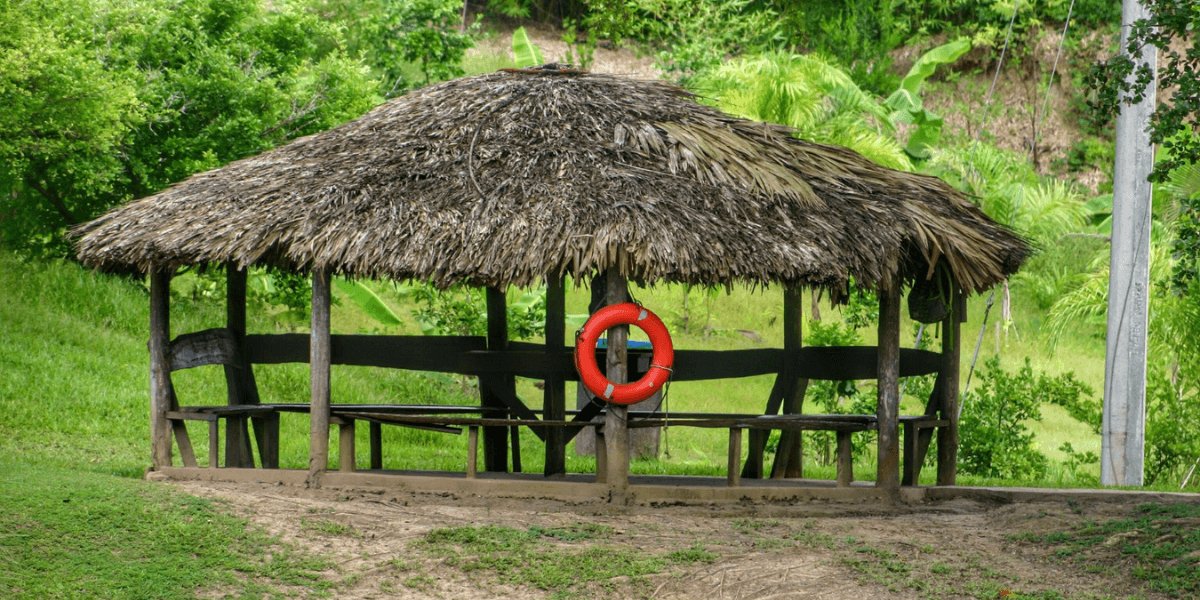
A tiki hut brings real Florida charm to a backyard, with a wooden frame and a palm-thatched roof that each age at their own pace. Salt air, humidity, and constant sun all leave their mark on these materials over the years, and how well they hold up shapes the overall lifespan of a custom tiki hut. Materials, climate, and maintenance all play a part in the final number.
This guide looks at what wears out first, how long each part typically holds up, and the practical steps that keep your tropical retreat standing strong for years to come.
Understanding a Tiki Hut’s Overall Lifespan
A tiki hut is an open-air structure with a wood frame and a palm thatch roof, built to give you shade and a spot to relax outdoors.
The frame is the backbone of the hut. Good pressure-treated wood, set on solid posts, can last 15 to 20 years with no major problems. Cypress looks nice, but it rots fast in humid weather, sometimes within 2 to 3 years, so builders rarely use it for anything meant to last. A strong frame keeps doing its job year after year, even as the roof above it wears down.
The roof does not last nearly as long as the frame. Sable palm thatch holds up well against Florida weather, but it still wears out faster than the wood beneath it. That is why many homeowners need tiki hut roof replacement years before the entire structure needs to be rebuilt. Once you understand that the roof and frame age at different rates, planning maintenance becomes much simpler.
What Affects a Tiki Hut’s Roof Over Time
The five factors below have the biggest say in how long your thatch holds up.
Sun Exposure and UV Rays
The sun is hard on palm fronds. It dries them out fast and makes the fibers brittle and weak over time. Roofs that sit in full sun all day tend to fade and thin out sooner than roofs with some shade. A little afternoon shade can add real years to a roof’s life.
Wind and Storm Activity
Florida storms are no joke for a tiki hut. Strong winds can loosen or rip off thatch in a single afternoon if the roof was not built well. A tightly bundled, well-secured roof holds up much better than a rushed job. Checking for loose spots before storm season helps catch small problems early.
Salt Air Near the Coast
Homes near the water catch salt in the air almost every day. That salt settles into the thatch and holds moisture there, which speeds up mold and rot. This is one of the biggest reasons a tiki hut roof lifespan shrinks near the coast compared to homes farther inland. A simple rinse with fresh water now and then can help slow the damage.
Roof Pitch and Drainage
A steep roof lets rain run off fast, so the thatch does not stay wet for long. A flat roof lets water sit and soak into the fronds, which leads to rot from the inside out. Good drainage planning from the start saves a lot of trouble later. This is one reason the shape of a roof matters as much as the material itself.
Type of Thatch Material Used
Not every thatch holds up the same way in Florida heat and humidity. Sable palm is tough and stays popular because it looks great and lasts a while. Other options, like Mexican palm, tend to wear out faster in wet climates. The right choice up front means fewer rethatch jobs later on.
Thatch Material Lifespan at a Glance
Here is a quick comparison of common thatch materials and what to expect from each one.
| Thatch Material | Typical Lifespan | Best For |
| Sable Palm | 5 to 6 years | Florida coastal and inland homes |
| Mexican Palm | 2 to 3 years | Budget builds, drier climates |
| Tahiti Palm | 4 to 5 years | Wet climates, decorative panels |
| African Reed | Up to 15 years | Long-term, low-maintenance roofs |
| Synthetic Thatch | 15 to 20 years | Maintenance-free, resort-style properties |
A local expert makes the choice between these materials a lot easier. Miami Tiki Huts brings that expertise to every tiki hut installation in Miami, so you land on the option built for your yard. Visit us today to get started!
Keeping Up with Tiki Hut Maintenance
Small, regular tasks prevent most big problems before they start.
Annual Sealant and Fire Retardant Treatments
A yearly coat of water-based sealant protects thatch against mildew, insects, and sun damage. Many owners apply this once the fronds have dried to a golden brown color, usually a week or so after installation. Commercial properties usually need a fire retardant coating to meet local codes. This single step does more for roof longevity than almost any other maintenance task.
Cleaning Debris and Trimming Nearby Branches
Leaves, seed pods, and small branches pile up on a thatch roof faster than most people expect. That debris holds moisture against the fronds and speeds up rot in the spots where it collects. Trimming back trees that hang over the structure keeps both sunlight and airflow reaching the roof. A five-minute check after a storm goes a long way toward avoiding bigger repairs.
Checking Posts and Frame Connections
The wood posts holding up your hut deal with ground moisture, insects, and shifting soil over the years. A soft spot near the base or a wobble at the joints signals it is time for a closer look. Catching this early usually means a simple repair instead of a full post replacement. Frame problems that go unaddressed can spread upward into the roof above them.
Signs You Need Tiki Hut Replacement
Sometimes a repair is not enough, and that is okay too. Look out for these warning signs:
- Soft, spongy wood at the base of a post, which usually means rot has reached the core, and no amount of sealant can fix it.
- A roof that has gone gray, thin, and see-through in patches, past the point where a partial patch helps.
- A structure that shifts, leans, or creaks in normal wind, which calls for a professional look before anyone uses it again.
- Repair costs start climbing close to the price of a new build, a clear sign that a fresh replacement is the more sensible choice.
- A design, size, or layout that no longer matches how your outdoor space gets used today.
Frequently Asked Questions
A well-built tiki hut with a pressure-treated frame typically lasts 15 to 20 years. The roof needs attention much sooner than the frame does, so most of the ongoing care goes toward the thatch, not the wood. With good care, that frame can outlast two or three roof replacements.
Natural sable palm roofs generally last 5 to 6 years. The tiki hut roof lifespan shifts with sun exposure, wind, and how close a home sits to salt water. Coastal homes tend to see that number drop closer to 3 or 4 years, while inland homes with some shade can stretch it further.
It depends on the type of palm or reed used and the local climate. Mexican palm wears fastest, usually lasting 2 to 3 years, while sable palm and Tahiti palm hold up longer, around 4 to 6 years. African reed and synthetic options can last well past a decade.
Sealant treatments, storm checks, and quick repairs all add years to a tiki hut when done regularly. Clearing debris and trimming overhanging branches keep moisture from sitting on the roof. Checking the frame each year also catches small issues before they turn into bigger repairs.
Final Thoughts
A tiki hut rewards a little upkeep with many more years of use. Every part of a tiki hut holds up longer when it gets attention early and steady care through the seasons. The lifespan of a custom tiki hut depends mostly on the materials chosen at the start and the care given after installation. Small habits, like a sealant coat one year and a debris cleanup the next, add up to years of extra enjoyment. Treat your tiki hut well, and it will keep giving your backyard that easy, tropical feel for a long time. If you would prefer to leave that care in experienced hands, Miami Tiki Huts has spent decades building and maintaining tiki huts across South Florida, and our team can help extend the life of the one you have or start fresh with quality tiki hut construction in Miami. Contact us today for a free estimate!