
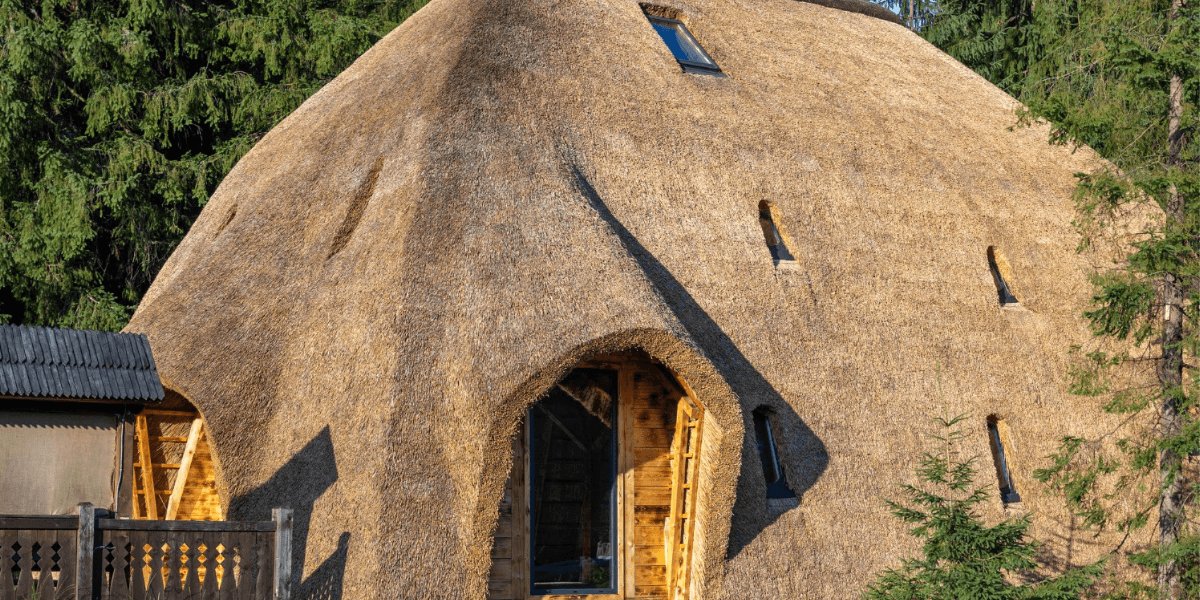
Selecting the right roofing material is one of the most important steps when planning a tiki hut. The roof does much more than complete the structure’s appearance. It plays a major role in protecting the space, improving comfort, determining maintenance needs, and influencing how long the structure will last. Today, property owners generally choose between natural and synthetic thatch roofing. Both options create the tropical style that makes tiki huts so appealing, yet each comes with its own advantages.
Understanding the differences in durability, maintenance, appearance, and long-term performance can help you make a confident decision. Selecting the right tiki hut roofing also depends on your property’s location, your budget, and how you plan to use the structure throughout the year.
Why Your Tiki Hut Roofing Material Matters
The roof is the first line of defense against the elements. It shields the structure below and creates a more comfortable outdoor area for gatherings, meals, and relaxation. A well-built roof shields the seating area from direct sunlight, provides protection during light rain, and contributes to the overall stability of the tiki hut.
Roofing also has a noticeable impact on comfort. Certain thatch roof materials allow air to circulate naturally, helping reduce heat beneath the covered area. Others focus on long-lasting performance with minimal upkeep while maintaining a similar tropical appearance. As a result, the material you choose affects the everyday experience just as much as the structure’s visual appeal.
Understanding Natural Thatch Roofing
Natural thatch roofing is traditionally made using harvested palm materials, with cabbage palm, also known as Sabal palmetto, being one of the most common choices in Florida. The palm fronds are carefully prepared and layered to create the signature tropical roof associated with island-inspired architecture. This roofing style has remained popular for decades because of its authentic appearance. The natural texture, color variations, and handcrafted installation create a warm, inviting atmosphere that blends beautifully with outdoor landscapes.
Since every bundle of palm material has slight variations, each completed roof develops its own unique character. This distinctive look is difficult to duplicate using manufactured products, making natural thatch especially attractive for residential retreats, waterfront properties, resorts, and outdoor entertainment areas.
Benefits Of Natural Thatch
One of the biggest advantages of natural thatch is its timeless appearance. The organic texture creates an authentic island feel that many homeowners associate with traditional tiki huts. Its natural beauty complements tropical landscaping without appearing overly manufactured.
Natural palm thatch is also highly breathable. Small gaps within the layered roofing allow warm air to escape while maintaining comfortable shade below. This natural ventilation helps create a cooler outdoor environment during hot weather, making the covered area more enjoyable throughout much of the day.
Things to Consider When Planning a Natural Thatch Roofing
Although natural thatch offers exceptional beauty, it does require periodic maintenance. Over time, exposure to sunlight, humidity, wind, and rainfall gradually wears the palm material, making re-thatching a normal part of long-term ownership.
The lifespan of a natural thatch roof depends on local weather conditions, installation quality, ventilation, and routine maintenance. In Florida, professionally installed cabbage palm roofs commonly provide many years of service before sections require replacement, though exact longevity varies by location and environmental exposure.
Understanding Synthetic Thatch Roofing
Synthetic thatch roofing is designed to replicate the appearance of natural palm thatch while offering enhanced durability and reduced maintenance. Manufacturers produce these roofing products using high-quality polymers, polyethylene, or similar engineered materials that are molded and colored to resemble natural palm fronds.
Advancements in manufacturing have made synthetic thatch much more realistic than earlier versions. Many premium products feature textured surfaces and varied color tones that closely mimic the look of authentic palm roofing. This allows homeowners to enjoy a tropical aesthetic while benefiting from modern roofing technology.
Benefits of Synthetic Thatch
One of the greatest advantages of synthetic thatch is its long service life. Compared to natural palm roofing, engineered materials withstand exposure to sunlight, humidity, and moisture for longer periods. This makes them a suitable choice for those who prefer less ongoing maintenance.
Another benefit is the minimal upkeep. Synthetic roofs do not require periodic re-thatching, which helps reduce long-term maintenance efforts. Routine inspections and occasional cleaning are generally enough to keep the roof looking its best.
Things to Consider When Planning a Synthetic Thatch Roofing
Synthetic roofing often requires a larger upfront investment than natural palm thatch. Although maintenance costs are generally lower over time, the initial installation price may influence the decision for some property owners.
Appearance is another consideration. While premium products closely resemble natural palm roofing, some homeowners still prefer the unique texture and organic character that only genuine palm materials can provide. Personal preference often plays a significant role when choosing between the two options.
Natural Thatch Vs. Synthetic Thatch: A Side-By-Side Comparison
Selecting the right roofing material becomes easier when you compare the qualities that matter most. Both options create attractive outdoor structures, but each performs differently depending on the property’s needs.
· Appearance
Natural thatch delivers an authentic tropical appearance with organic textures and subtle color variations that develop naturally over time. Every roof has its own character because no two palm fronds are identical.
Synthetic roofing provides a cleaner, more uniform appearance. High-quality products closely resemble natural palm materials while maintaining consistent color and texture throughout the roof’s lifespan.
· Durability
Natural palm roofing performs well when professionally installed and properly maintained. Its expected lifespan depends on environmental conditions, roof design, ventilation, and routine care.
Synthetic roofing generally offers a longer service life because engineered materials resist moisture, insects, UV exposure, and gradual deterioration more effectively than natural palm products.
· Maintenance Requirements
Natural thatch requires periodic inspections and eventual re-thatching as the palm material naturally ages. This maintenance helps preserve both appearance and structural performance.
Synthetic roofing requires significantly less ongoing maintenance. Occasional inspections and basic cleaning are typically sufficient to maintain its condition.
· Weather Performance
Florida’s climate presents challenges that every roofing system must withstand. Intense sunlight, humidity, heavy rainfall, and seasonal storms all influence long-term performance.
Professionally installed natural and synthetic roofing systems can both perform well when designed to meet applicable building codes. Synthetic products generally resist moisture and UV exposure for longer periods, while natural palm roofing offers excellent ventilation that helps create a cooler shaded environment.
· Cost Considerations
Natural thatch often has a lower initial installation cost, although periodic re-thatching contributes to long-term ownership expenses.
Synthetic roofing usually involves a higher upfront investment. However, reduced maintenance and longer service life may offset some of those costs over time. Evaluating both installation expenses and future maintenance provides a more complete picture of overall value.
· Environmental Impact
Natural palm thatch is a renewable roofing material when responsibly harvested. It also biodegrades naturally after its useful life, making it an environmentally conscious option for many homeowners.
Synthetic roofing is manufactured using engineered materials, but some products are recyclable at the end of their service life. Longer product longevity may also reduce replacement frequency, which can contribute to lower material consumption over time, depending on the specific product.
Which Roofing Option Is Right For Your Property?
The best roofing material depends on how you plan to use your tiki hut and what matters most to you over the long term. While both roofing options create an attractive outdoor structure, your priorities will help determine which one is the better fit.
- For many homeowners, appearance is at the top of the list. If creating an authentic tropical retreat is your primary goal, natural palm thatch offers the traditional character that many people associate with classic tiki huts. Its organic texture blends beautifully with pools, tropical landscaping, and waterfront settings, creating a warm and inviting outdoor atmosphere.
- Commercial properties often have different priorities. Restaurants, resorts, hotels, and entertainment venues usually experience heavier daily use, making durability and reduced maintenance important considerations. In these situations, synthetic roofing may provide practical advantages because it maintains its appearance with less ongoing upkeep.
- The budget also deserves careful attention. Natural thatch may have a lower installation cost in many cases, but owners should also consider future maintenance expenses, including periodic re-thatching. Synthetic roofing generally costs more during installation, although its longer service life and lower maintenance requirements may reduce ownership costs over time.
- Maintenance expectations are equally important. Some property owners enjoy preserving the authentic appearance of natural palm roofing and accept the routine care that comes with it. Others prefer a roofing system that requires minimal attention while continuing to provide reliable performance year after year.
Long-term ownership goals should also influence the decision. If you plan to enjoy your tiki hut for many years, balancing initial cost, maintenance, appearance, and durability will help you select the roofing material that best supports your investment.
Final Thoughts
Both natural palm thatch and synthetic roofing offer valuable benefits for a tiki hut, and each option serves different priorities. Natural thatch provides an authentic tropical appearance with excellent airflow and timeless character, while synthetic roofing offers impressive durability, lower maintenance requirements, and long-lasting performance. The right choice depends on your property’s needs, your preferred appearance, your maintenance expectations, and your long-term plans for the structure. Taking time to compare these factors helps ensure that your investment delivers lasting comfort and value. If you’re planning a new tiki hut or replacing an existing roof, the experienced team at Miami Tiki Hutscan help you choose the best solution for your property.