
A tiki hut creates a relaxing outdoor space that brings tropical character to homes, restaurants, resorts, and entertainment areas. In South Florida, these structures are especially popular because they complement warm weather and outdoor living. Still, constant exposure to sun, rain, humidity, and wind can gradually affect the condition of a tiki hut if proper care is ignored.
Routine maintenance helps preserve the appearance, strength, and lifespan of the structure. Small issues can quickly become expensive repairs when left untreated. Understanding the basics of cleaning, inspections, seasonal preparation, and roofing care helps property owners protect their investment and keep outdoor spaces looking attractive year-round.
This guide explains practical ways to maintain a tiki hut and reduce long-term damage caused by Florida’s climate conditions.
Why Regular Maintenance Matters
Tiki huts remain exposed to outdoor conditions every day. Strong sunlight, moisture, tropical storms, insects, and debris can gradually weaken roofing and structural components. Maintenance prevents premature wear while helping the structure stay safe and visually appealing.
Routine upkeep also protects roofing materials from mold, mildew, rot, and water damage. In many cases, consistent care extends the lifespan of the hut significantly. Homeowners searching for information on tiki hut maintenance often focus mainly on appearance, but structural protection is equally important.
How to Maintain a Tiki Hut for Long-Lasting Performance
Proper maintenance plays a major role in preserving the appearance, safety, and durability of a tiki hut. Florida’s humid climate, strong sunlight, frequent rainfall, and seasonal storms can gradually affect both roofing materials and structural components. Consistent care helps identify potential problems early, reduces repair costs, and extends the life of the structure.
By following a routine maintenance plan that includes inspections, cleaning, moisture control, and timely repairs, homeowners can keep their tiki huts looking attractive and functioning properly for years.
· Perform Regular Inspections
Routine inspections help identify minor issues before they become expensive repairs. Check the roof for thinning, loose sections, discoloration, or other signs of wear. At the same time, inspect support posts, bamboo, and framing materials for cracks, moisture damage, insect activity, or structural weakness. Early detection allows problems to be addressed before they affect the entire structure.
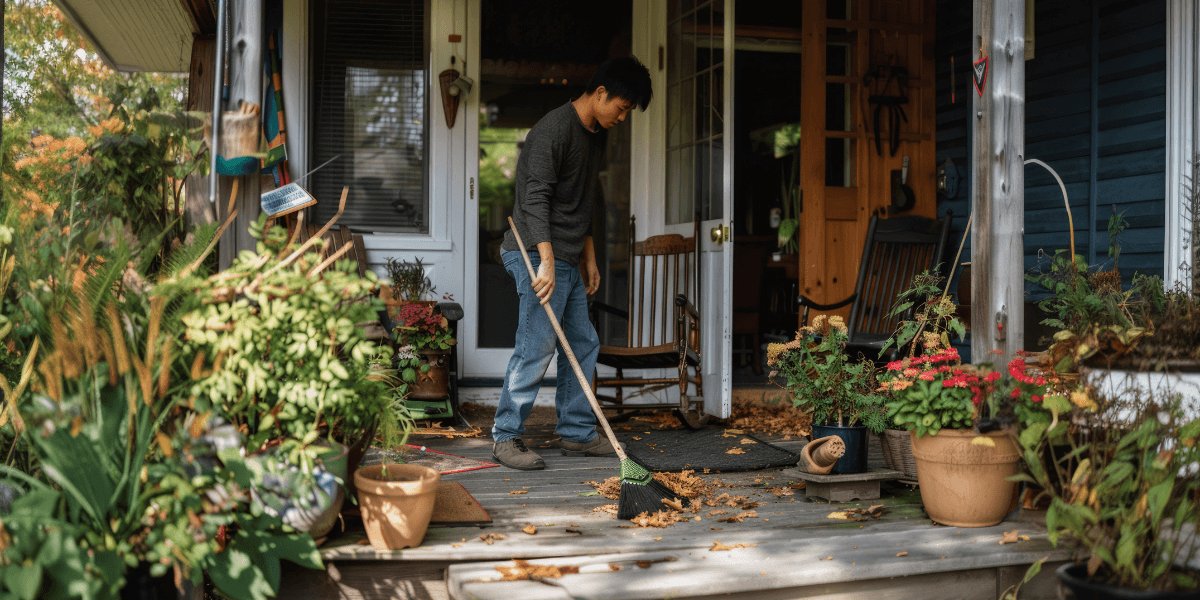
· Keep the Roof Clean and Free of Debris
Leaves, branches, and dirt can trap moisture on the roof, accelerating deterioration and creating conditions for mold growth. Regularly clearing debris helps improve airflow and reduce excess moisture retention. Gentle cleaning methods are recommended, especially for natural thatch roofing, to avoid damaging the materials and shortening their lifespan.
· Control Moisture to Prevent Mold and Mildew
Florida’s humid climate can encourage mold and mildew growth if moisture is allowed to accumulate. Improving ventilation around the tiki hut helps roofing materials dry more quickly after rain. Maintaining proper drainage and addressing standing water near support posts can also prevent long-term moisture damage and preserve structural integrity.
· Address Repairs Before Damage Worsens
Small repairs should never be postponed. Loose roofing sections, damaged thatch, cracked bamboo, or weakened fasteners can quickly develop into larger structural issues. Repairing minor damage as soon as it appears helps maintain safety, reduces repair costs, and extends the overall life of the tiki hut.
Many homeowners wonder how to maintain a tiki hut effectively. The answer lies in consistent inspections, regular cleaning, moisture control, and timely repairs that keep the structure attractive, safe, and durable throughout the year.
Understanding Tiki Hut Maintenance for Different Roofing Systems
Proper roof maintenance plays an essential role in preserving both the appearance and durability of tiki huts and tropical-style roofing systems. Whether built from natural thatch, synthetic materials, or a combination of wood and bamboo, regular inspection and timely upkeep help prevent costly damage and extend the overall lifespan of the structure.
1. Care for Natural Thatch Roofing
Natural thatch roofing offers an authentic tropical look, but it requires consistent attention to stay in good condition. Over time, exposure to strong sunlight and moisture gradually weakens the natural fibers, making certain areas thinner and more vulnerable.
As part of long-term maintenance, it is important to recognize that natural thatch has a limited lifespan. Delaying full replacement can lead to serious issues such as water intrusion and structural weakening. Routine inspections also help detect unwanted activity from birds, rodents, or insects that may nest within the roofing layers.
2. Maintain Synthetic Roofing Systems
Synthetic roofing systems are generally more durable and lower maintenance than natural alternatives, but they still require regular care to maintain performance and appearance. Over time, dust, pollen, algae, and debris can accumulate on the surface, especially in humid environments.
Early signs such as fading, surface cracking, or material wear should be addressed promptly to avoid further deterioration. It is also important to check fasteners, brackets, and structural supports regularly, ensuring they remain secure during heavy winds, storms, or seasonal weather changes. Gentle cleaning with water and soft brushes helps preserve a clean finish and prevents buildup that could affect aesthetics.
3. Maintain Wooden and Bamboo Components
Wooden and bamboo elements contribute significantly to the natural, tropical look of tiki-style structures, but they require consistent upkeep to withstand humidity and outdoor exposure.
In warm and moist climates, these natural materials may also be susceptible to termites and other pests. Routine inspections are essential for detecting early signs of infestation before significant damage occurs. Applying protective sealants helps minimize water absorption, reduce surface cracking, and protect against general weather damage. Reapplication at regular intervals ensures long-term durability.
Strategies for Seasonal Maintenance for a Tiki Hut
Following a seasonal maintenance routine can extend the lifespan of the roof and structural components while reducing the need for costly repairs.
- Before periods of heavy rainfall, clean the roofing thoroughly and remove accumulated debris. Trim nearby trees and vegetation to improve airflow around the structure and reduce moisture retention.
- Strong winds and severe storms can place significant stress on a tiki hut. Inspect roofing materials, fasteners, and support components to ensure everything is secure. Address loose sections and minor damage before storm season begins to reduce the risk of larger structural problems.
- After major storms, examine the roof and support structure for damage that may not be immediately visible. Look for loose roofing materials, weakened supports, moisture intrusion, or debris-related damage.
Property owners researching seasonal maintenance of tiki hut structures often find that routine seasonal inspections prevent many costly repairs later.
Professional Tips for Tiki Hut Repair
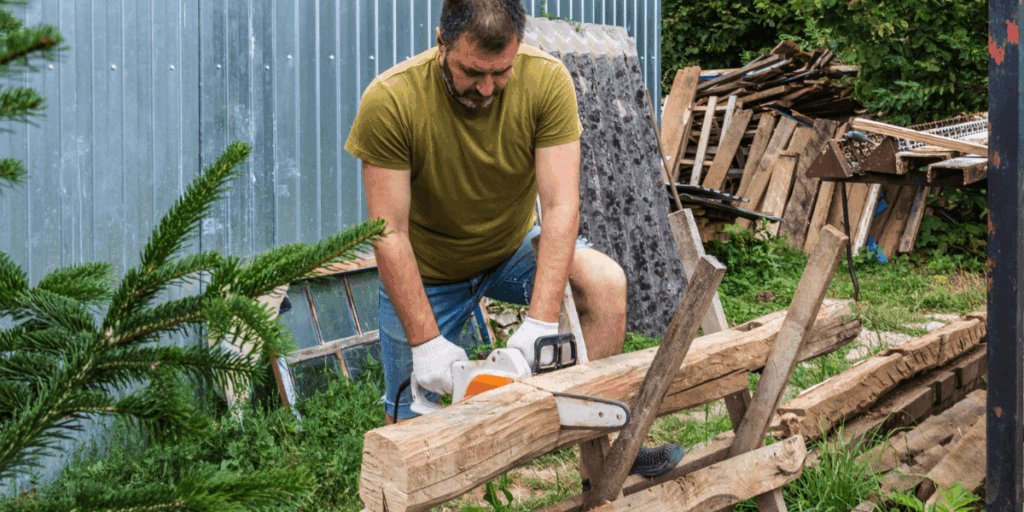
While routine upkeep helps prevent many common issues, some situations require repairs or professional evaluation. Identifying problems early and addressing them promptly can preserve the safety, appearance, and longevity of the structure.
· Watch for Roof Sagging and Structural Weakness
One of the most noticeable signs of damage is roof sagging. This can indicate water intrusion, aging roofing materials, or weakened support components. Any visible changes in the roof’s shape should be inspected promptly to prevent further deterioration.
· Address Mold, Mildew, and Rot Early
Excessive moisture can lead to mold growth and wood rot, particularly in humid climates. If mold becomes widespread or rot affects structural elements, professional repairs may be necessary to restore the integrity of the tiki hut.
· Repair Damaged Roofing Sections
Natural thatch and synthetic roofing materials can become damaged by storms, sun exposure, and general wear over time. Replacing worn or damaged sections quickly helps prevent leaks and protects the underlying structure from moisture-related issues.
· Secure Loose Fasteners and Connections
Strong winds and weather fluctuations can loosen brackets, screws, ties, and other support connections. Regularly inspecting and securing these components helps maintain stability and reduces the risk of structural movement during storms.
· Protect Wood and Bamboo Components
Wooden and bamboo elements are constantly exposed to moisture, sunlight, and insects. Applying protective sealants and treatments can help minimize cracking, moisture absorption, and weather-related deterioration while extending the life of these materials.
· Inspect for Termite and Pest Damage
Termites and other pests can weaken support posts and framing materials without obvious warning signs. Routine inspections help identify infestations early, allowing repairs to be completed before significant structural damage occurs.
Benefits of Professional Maintenance Services
Experienced tiki hut contractors understand how Florida weather affects outdoor structures. Professional maintenance often includes detailed inspections, roof repairs, mold prevention treatments, and structural reinforcement.
Experts can also recommend replacement materials that better match the local climate and the specific needs of the property. Routine professional maintenance may reduce long-term repair expenses while extending the lifespan of the tiki hut.
Final Thoughts
Maintaining a tiki hut involves consistent cleaning, inspections, small repairs, and seasonal preparation. Florida’s heat, humidity, rain, and storms place constant stress on outdoor structures, making routine care essential for long-term durability. Roof cleaning, moisture control, structural inspections, and fast repairs help preserve both appearance and safety.
Natural thatch roofing may require more attention, while synthetic materials often reduce maintenance demands. Regardless of the roofing type, proactive upkeep helps prevent expensive damage and extends the life of the structure.
Transform outdoor spaces with custom tiki huts in Miami built for South Florida living. Contact Miami Tiki Huts today for durable craftsmanship, tropical style, and professional installation designed to last.