
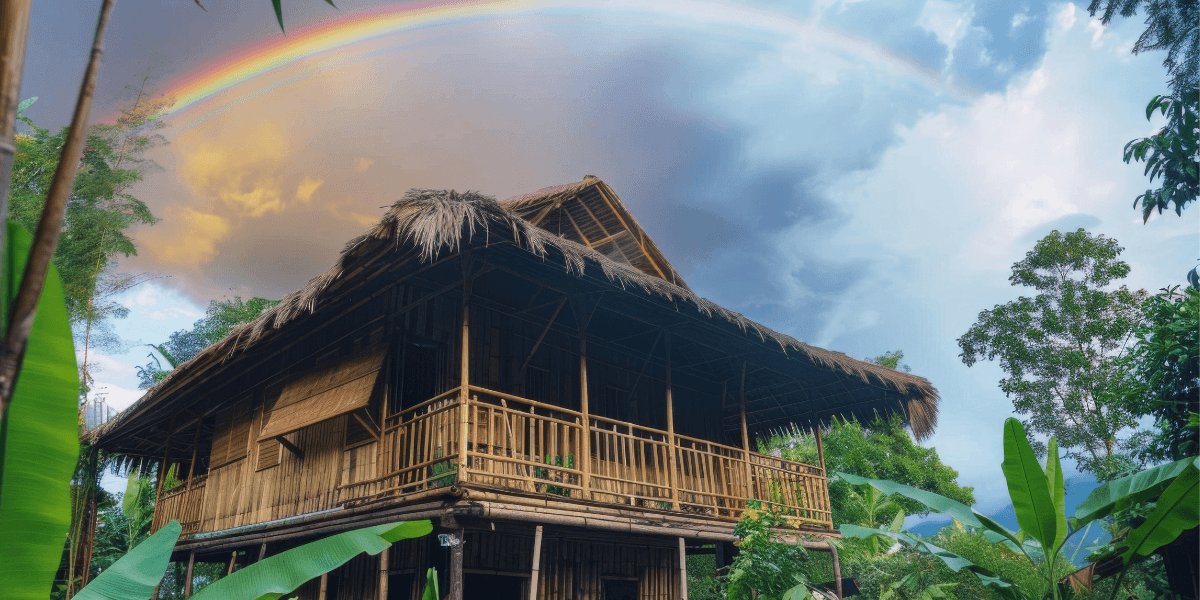
A tiki hut creates a relaxed outdoor space that fits perfectly with the tropical style many Florida homeowners enjoy. The roof plays the biggest role in both appearance and long-term performance. Choosing the right material affects durability, weather resistance, maintenance needs, and the overall atmosphere of the structure. South Florida’s intense sun, humidity, rain, and occasional storms make material selection especially important.
Understanding the strengths and drawbacks of each option helps property owners make practical decisions that match their budget, climate conditions, and design goals. Some roofing choices provide a traditional island appearance, while others focus more on durability and lower maintenance.
This guide explains the most common options used for tiki hut roofing and breaks down the advantages and disadvantages of each one.
Why Roofing Material Matters for a Tiki Hut
The roof is the defining feature of a tiki hut. It provides shade, helps regulate temperature, and protects the structure from harsh outdoor conditions. Good roofing material also contributes to the visual appeal of patios, poolside lounges, outdoor kitchens, restaurants, and entertainment areas.
Florida weather creates unique challenges for outdoor structures. Heat, moisture, UV exposure, wind, and heavy rain can wear down low-quality roofing much faster than expected. Proper material selection helps reduce repairs and extends the life of the hut. Homeowners searching for roof materials for a tiki hut often focus on appearance first, but performance should carry equal importance.
Popular Tiki Hut Roof Materials for Modern Outdoor Designs
Top choices for modern outdoor designs balance style, durability, and weather resistance, making outdoor spaces more attractive while ensuring long-lasting performance in different climates and environments.
Below are some of the best materials for tiki hut roof projects.
1. Natural Thatch Roofing
Natural thatch remains one of the most popular choices for tiki huts because of its authentic tropical appearance. It creates the classic island style many homeowners want for backyard retreats and commercial spaces.
Pros
- Natural thatch gives tiki huts their recognizable resort-style look. The texture and layered design create a warm and inviting atmosphere that synthetic products often try to imitate.
- Thatch naturally allows air circulation while blocking direct sunlight. This helps maintain cooler temperatures underneath the structure during hot summer months.
- Many types of natural thatch come from renewable plant sources. Palm leaves and grasses are biodegradable and work well for eco-conscious projects.
- Natural roofing complements pools, patios, beachside businesses, and tropical landscaping. It blends naturally with Florida’s outdoor lifestyle.
Cons
- Natural thatch usually requires replacement sooner than synthetic alternatives. Exposure to moisture and UV rays gradually breaks down organic materials.
- Regular inspections help identify mold, mildew, pest activity, or weakened sections. Maintenance becomes more important in humid climates.
- Strong winds and storms can damage natural roofing more easily than synthetic products. South Florida weather conditions may shorten its lifespan.
- Natural materials can be more combustible unless treated with fire-resistant coatings.
Many homeowners interested in natural roofing materials for tiki huts choose thatch because of its authentic appearance, despite the added upkeep.
2. Palm Thatch Roofing
Palm thatch is one of the most widely used roofing materials for tiki huts in Florida. It is commonly made from dried palm fronds layered together to create thick roof coverage.
Pros
- Palm thatch matches the tropical look associated with coastal resorts and island-inspired outdoor living spaces.
- The layered construction helps reduce heat underneath the roof, making outdoor areas more comfortable during hot weather.
- Palm thatch creates a handcrafted look that many homeowners prefer over more uniform synthetic materials.
- When installed correctly, palm thatch provides effective protection from sun exposure and light rain.
Cons
- Heavy rain, humidity, and wind gradually weaken palm materials over time.
- Palm roofs typically require partial or complete replacement sooner than synthetic roofing systems.
- Birds, insects, and rodents sometimes nest inside natural roofing materials.
3. Synthetic Thatch Roofing
Synthetic thatch has become increasingly popular because it offers the appearance of natural roofing with added durability.
Pros
- Synthetic roofing typically lasts much longer than natural thatch. Many products resist UV damage, moisture, and mold growth.
- Synthetic materials require less upkeep because they do not rot or decay like organic roofing.
- Engineered products usually handle strong winds more effectively than traditional thatch.
- Synthetic roofing maintains its color and shape longer without fading or deteriorating unevenly.
- Some synthetic products include fire-retardant properties that improve safety.
Cons
- Synthetic materials often cost more upfront than natural options.
- Although modern products look realistic, some homeowners still prefer the appearance of genuine palm roofing.
- Certain synthetic products may trap more heat than natural thatch, depending on design and installation quality.
For homeowners planning long-lasting outdoor structures, synthetic products remain one of the most reliable tiki hut roofing materials available today.
4. Reed Thatch Roofing
Reed thatch uses tightly packed reeds to create dense roofing coverage. It is less common in South Florida, but still used for some tropical-themed structures.
Pros
- Reed roofing creates a unique texture that stands out from traditional palm roofs.
- Dense reed layers help direct rainwater away from the structure efficiently.
- The thick roofing material helps maintain cooler shaded areas underneath.
Cons
- Reed roofing requires skilled craftsmanship for proper installation.
- Some regions may have fewer suppliers or contractors experienced with reed roofing systems.
- Like other natural materials, reed roofing eventually deteriorates from weather exposure.
5. Aluminum Tiki Roof Panels
Some modern tiki hut designs use aluminum panels that imitate the look of traditional thatch while offering stronger structural durability.
Pros
- Aluminum handles rain, humidity, and sun exposure very well.
- Metal roofing requires far less upkeep than natural materials.
- Aluminum roofs often last for decades with proper installation.
- Metal roofing resists wind damage more effectively than organic materials.
Cons
- Even textured designs may not fully capture the softness of real thatch.
- Metal surfaces can become hotter in direct sunlight if not insulated properly.
- Premium metal systems may involve greater upfront expenses.
Factors to Consider Before Choosing Roofing Materials
Every tiki hut project has different priorities. Several important factors should guide material selection.
· Climate Conditions
Florida’s weather creates high moisture exposure, intense UV radiation, and strong seasonal storms. Roofing material must withstand these environmental pressures. Choosing materials specifically designed for humid coastal environments can help reduce weather-related damage, improve long-term performance, and maintain the structure’s appearance throughout the year.
· Maintenance Expectations
Some homeowners enjoy the authenticity of natural roofing despite the upkeep involved. Others prefer low-maintenance synthetic options for convenience. Understanding how much time and effort you are willing to dedicate to inspections, repairs, and routine maintenance can help narrow down the best roofing choice.
· Budget
Natural materials may cost less initially but require more frequent replacement. Synthetic roofing often involves higher upfront costs but longer durability. Evaluating both short-term expenses and long-term maintenance costs provides a clearer picture of the overall investment and expected value.
· Appearance Goals
Some projects prioritize authentic tropical style while others focus more on structural performance and longevity. The desired visual impact should align with the surrounding landscape, architectural design, and the atmosphere you want the outdoor space to create.
· Intended Use
Commercial properties, poolside entertainment areas, restaurants, and residential patios may all have different roofing requirements. The expected level of daily use, customer traffic, weather exposure, and functional needs should influence material selection decisions.
Comparing Natural and Synthetic Roofing
Natural and synthetic roofing each offer distinct advantages depending on design goals, budget, and maintenance preferences.
| Feature | Natural Roofing | Synthetic Roofing |
| Appearance | Authentic, tropical, traditional look | Consistent, modern, customizable finish |
| Durability | Moderate, degrades faster over time | High, designed for a long lifespan |
| Maintenance | Frequent repairs and replacement needed | Low maintenance requirements |
| Weather Resistance | Sensitive to heavy rain, sun, and wind | Strong resistance to UV, moisture, and storms |
| Pest Resistance | Prone to insects and nesting | Resistant to pests and rodents |
| Cost Over Time | Higher due to upkeep and replacement | More cost-effective long-term |
| Lifespan | Shorter lifespan | Longer lifespan |
The right choice depends on the homeowner’s priorities. Those focused on authentic aesthetics may prefer natural materials. Those seeking longer service life and easier maintenance may lean toward synthetic roofing systems.
Proper Installation Matters Just as Much as Material Choice
Even the best roofing material performs poorly without proper installation. Skilled craftsmanship affects durability, drainage, wind resistance, and structural integrity.
Experienced tiki hut builders understand local weather conditions and building requirements. Proper layering, fastening, ventilation, and framing techniques help maximize roof lifespan. Incorrect installation may lead to leaks, sagging, premature wear, and storm-related damage. Contact us today to learn more about professional tiki hut installation in Miami. Miami Tiki Huts helps you create a backyard retreat inspired by true island living.
FAQs
Natural tiki hut roofs typically last between 5 and 10 years, depending on climate conditions, maintenance, and material quality.
Synthetic thatch generally lasts longer and requires less maintenance, while natural thatch provides a more traditional tropical appearance.
Synthetic thatch and aluminum roofing usually perform best in Florida because they resist moisture, UV exposure, and strong winds more effectively.
Yes. All tiki hut roofs benefit from inspections and cleaning. Natural materials require more maintenance than synthetic products.
Properly installed tiki hut roofs can handle heavy rain effectively. Installation quality and material choice both play important roles.
Bottom Line
Choosing the right tiki hut roofing material depends on appearance, durability, maintenance needs, and Florida’s climate conditions. Natural thatch delivers a classic tropical look, while synthetic roofing offers a longer lifespan and easier upkeep. Reed and aluminum options also provide unique benefits for different outdoor spaces.
Understanding the strengths and drawbacks of each material helps property owners make smarter long-term decisions. Upgrade your outdoor space with the perfect balance of style and durability with Miami Tiki Huts. Choose a solution that enhances your property while standing strong against Florida’s demanding climate conditions.